Glass fiber cotton
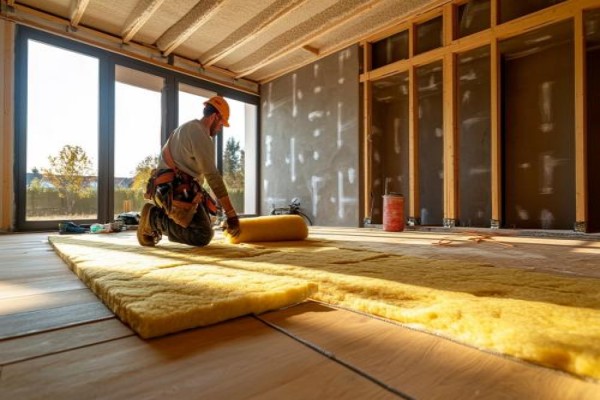
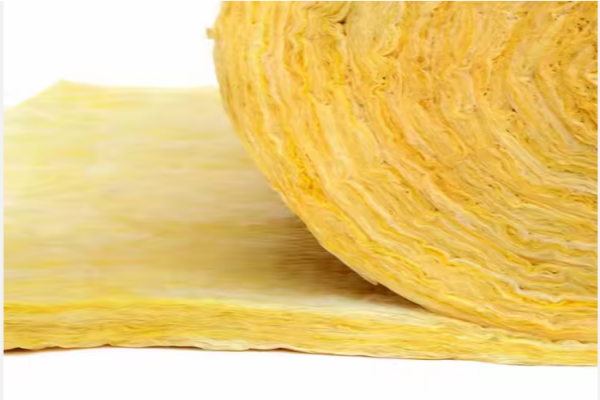
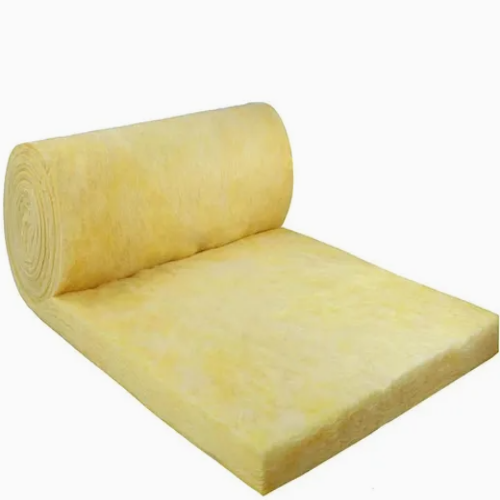
Centrifugal glass wool is a filamentous material produced by centrifugally spinning molten glass into fine fibers and spraying these fibers with thermosetting resin. This process results in a highly efficient insulation material that is both durable and versatile.
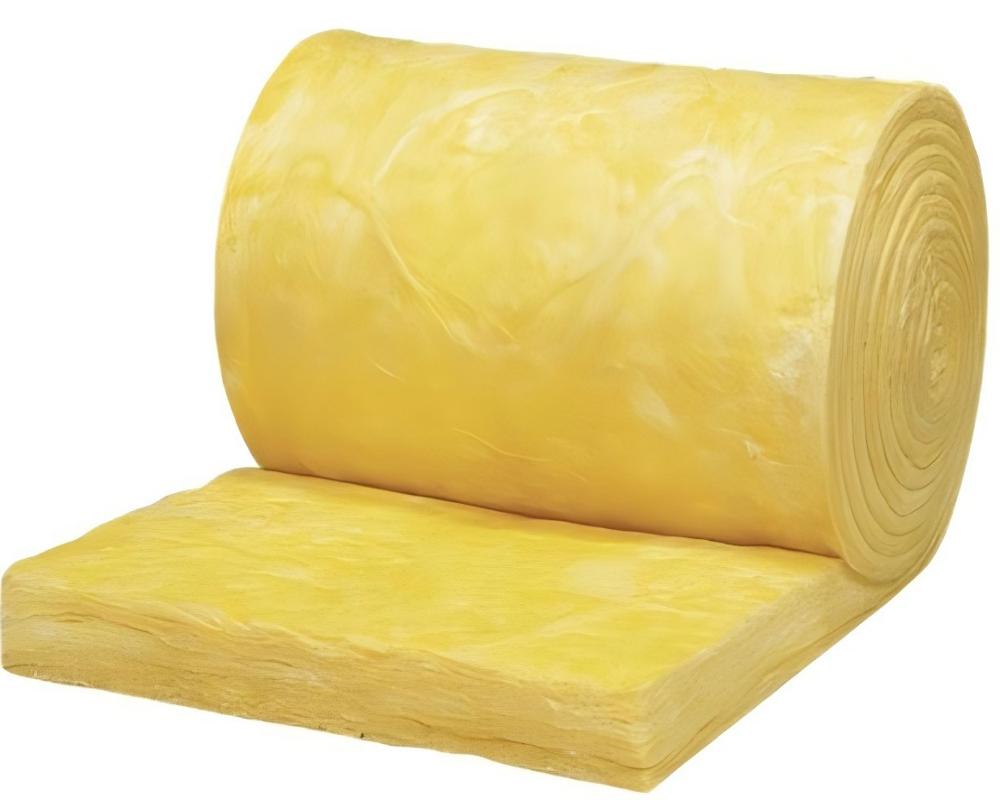
Centrifugal glass wool is a filamentous material made by centrifugally blowing molten glass and spraying it with thermosetting resin. After deep processing through thermal curing, it can be manufactured into various products such as glass wool boards, felt, fiberglass ducts, air conditioning panels, and high-temperature glass wool. This material has numerous advantages including non-flammability, non-toxicity, corrosion resistance, low bulk density, low thermal conductivity, strong chemical stability, low moisture absorption rate, and excellent hydrophobicity. It is recognized as a superior insulation, heat insulation, and sound absorption material with a wide range of applications. Products like boards, felts, and pipes made from this material have been widely used in construction, chemical engineering, electronics, power, metallurgy, energy, and transportation for insulation, sound absorption, and noise reduction, achieving significant results. The glass wool contains low levels of slag balls and features slender fibers that effectively trap air, preventing its flow and eliminating convective heat transfer, which significantly reduces the product's thermal conductivity. These properties also quickly attenuate sound transmission, providing excellent insulation, heat insulation, sound absorption, and noise reduction effects. Glass wool does not contain asbestos, does not support mold growth, and does not promote microbial development. The National Building Materials Testing Center recognizes glass quilts as environmentally friendly products. Hydrophobicity refers to the ability of a material to resist water infiltration. Glass wool achieves a hydrophobicity rate of not less than 98%, offering sustained and stable insulation performance. It exhibits good high-temperature thermal stability, durability, and resistance to high-temperature shrinkage, maintaining long-term safety, stability, and efficiency within the recommended temperature range and under normal working conditions.
Other specifications displayed